

Expert Sleep Apnea Treatment in Wisconsin
At the TMJ & Sleep Therapy Centre of Wisconsin, we provide personalized sleep apnea treatment designed to help patients breathe more comfortably, sleep more soundly, and improve their overall quality of life. If you have been searching for sleep apnea treatment near you, our team offers non-surgical and maskless treatment options tailored to your unique airway and sleep needs. Our comprehensive evaluations help identify contributing factors affecting the airway, jaw position, oral structures, and sleep quality so we can recommend the most appropriate sleep apnea therapy for your situation.
Why Choose the TMJ & Sleep Therapy Centre of Wisconsin for Sleep Apnea Treatment?
Board-Certified Member of the
American Academy of Dental Sleep Medicine
Fully Customized Sleep
Appliances for Each Patient
Able to Stop Snoring & Jaw Pain
at the Same Time
What Is Sleep Apnea?
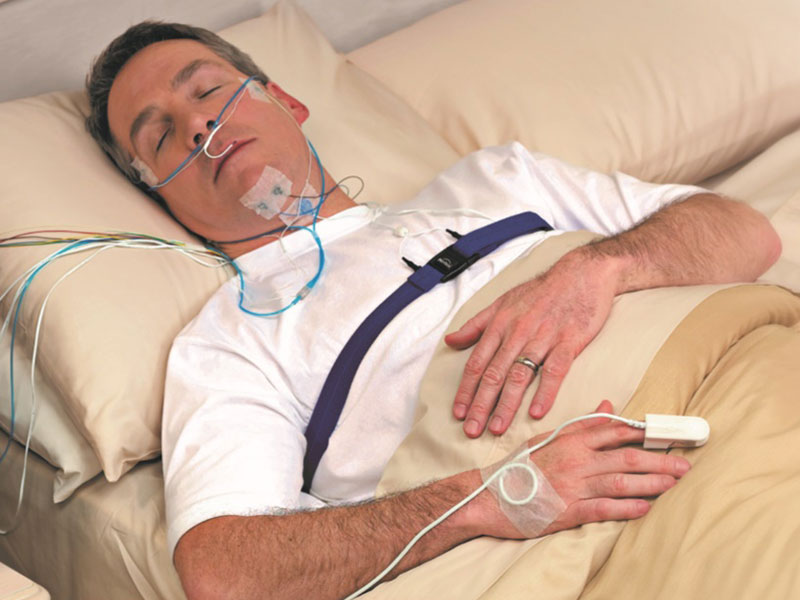
Sleep apnea is a common but serious sleep disorder that causes repeated interruptions in breathing during sleep. These breathing disruptions can reduce oxygen levels, fragment sleep, and contribute to excessive daytime fatigue, snoring, difficulty concentrating, and long-term health concerns.
Common symptoms may include:- Loud chronic snoring
- Gasping or choking during sleep
- Morning headaches
- Dry mouth upon waking
- Excessive daytime fatigue
- Difficulty concentrating
- Poor sleep quality
- Frequent nighttime awakenings
Looking for Maskless Sleep Apnea Treatment?
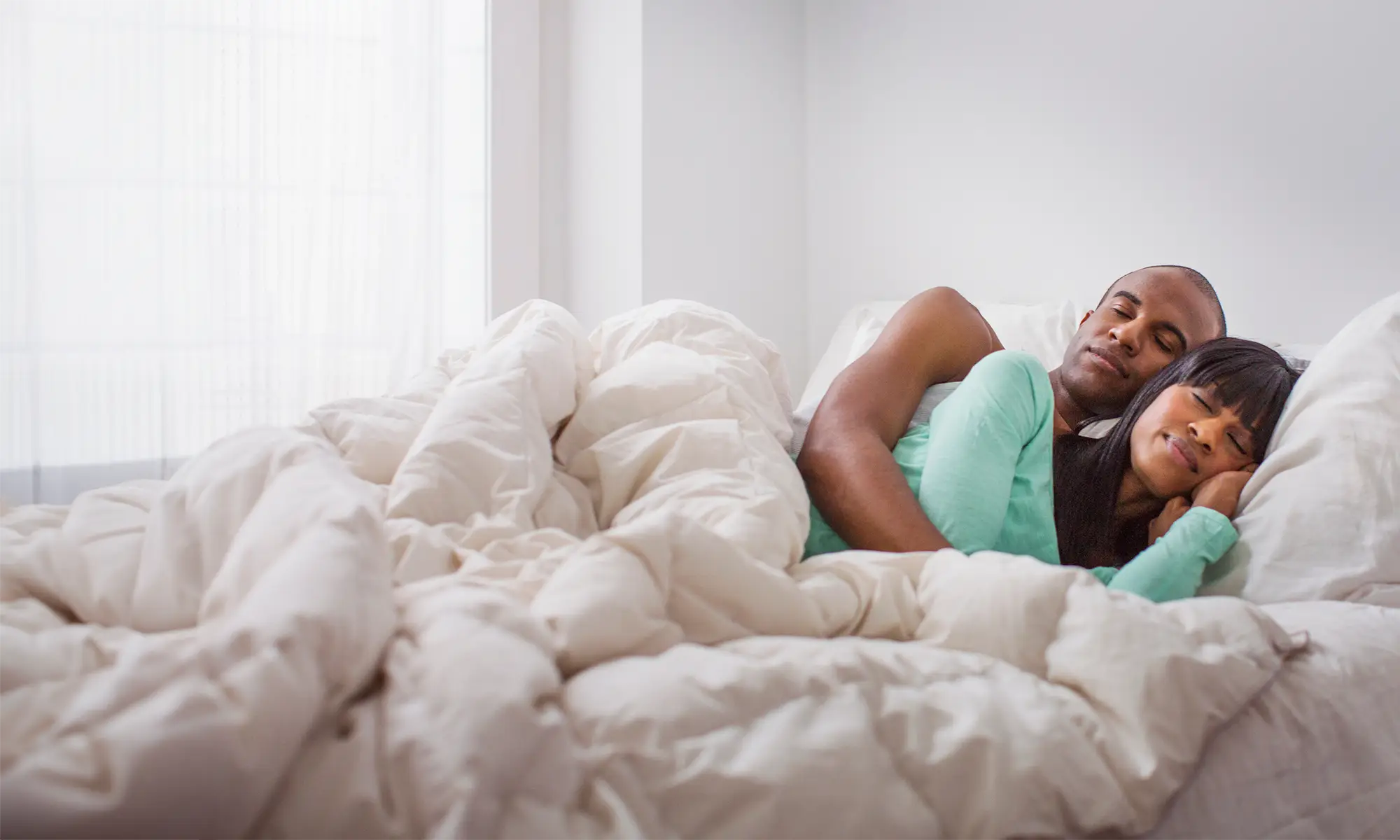
While CPAP therapy remains a common treatment for obstructive sleep apnea, many patients struggle with masks, hoses, pressure settings, or long-term compliance. For qualifying patients, oral appliance therapy may provide an effective and more comfortable alternative.
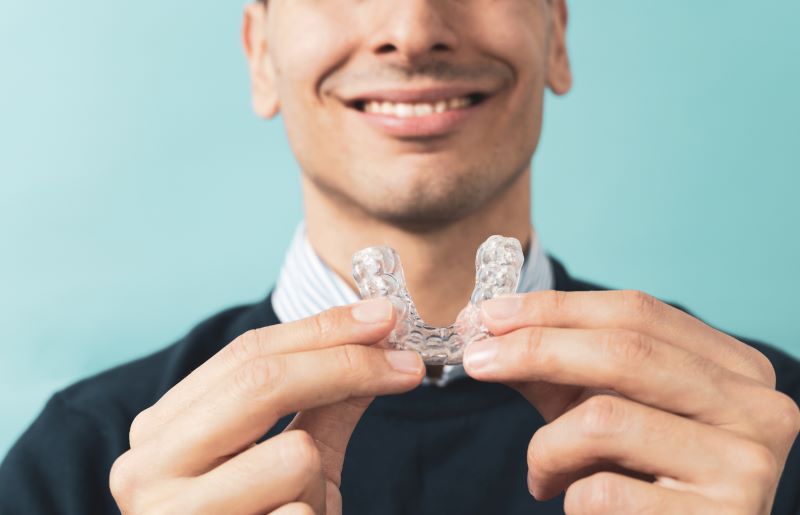
Custom oral appliances are designed to gently reposition the lower jaw and support a more open airway during sleep. These appliances are compact, portable, quiet, and easy to travel with.
Many patients searching for maskless sleep apnea treatment appreciate the convenience and comfort of oral appliance therapy as part of their personalized sleep apnea care plan.
Is Snoring a Sign of Sleep Apnea?
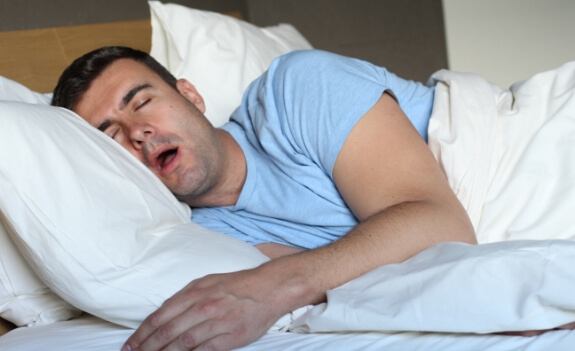
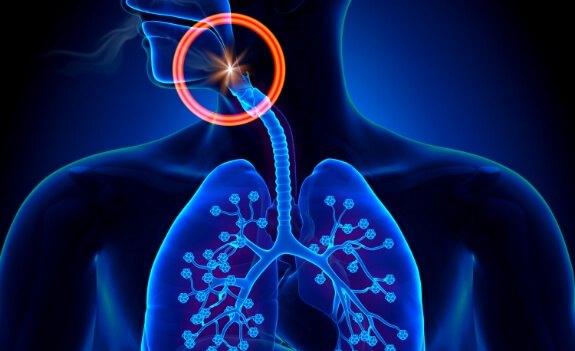
One of the most common symptoms of sleep apnea (a condition where a person frequently stops breathing for short periods throughout the night) is loud, chronic snoring. However, not everyone who snores has sleep apnea. Sometimes, snoring may be due to someone’s sleep position or how their mouth and throat are shaped. It can also be the result of alcohol consumption or certain medications taken close to bedtime.
Health Risks of Chronic Snoring
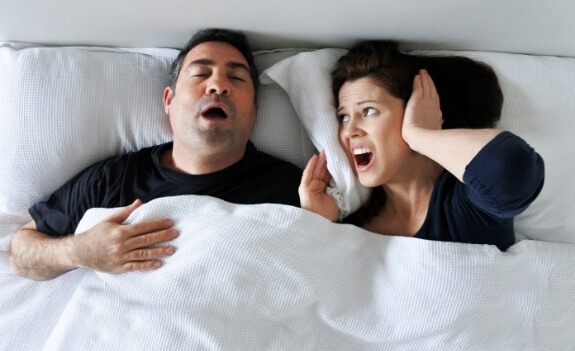
Even though snoring isn’t always a sign of sleep apnea, it can still be a serious problem. It is a clear indication that someone isn’t breathing properly as they sleep, and studies show that someone who snores is much more likely to develop sleep apnea in the future. Plus, it can be extremely disturbing to people who sleep near the snorer, like their partner or family. This can cause others to lose out on sleep as well, which can put strain on an entire household’s health and patience!
Sleep Apnea Therapy Options
The source of sleep apnea and snoring can often be the same, as in the upper airway (consisting of the mouth and throat) is restricting airflow. With a custom-made oral appliance, Dr. Brunner can make sure that a patient’s lower jaw sits slightly forward while they sleep, which will keep the airway open and prevent it from closing. This stops snoring and apnea episodes from occurring, leading to deep, uninterrupted sleep for both the patient as well as everyone near them.
Oral Appliance Therapy
Custom oral appliances help maintain a more open airway during sleep and are often recommended for patients with mild to moderate obstructive sleep apnea or those who cannot tolerate CPAP therapy.
Airway-Focused Treatment Planning
A comprehensive evaluation may identify contributing airway restrictions, oral habits, jaw positioning concerns, and other factors affecting nighttime breathing.
Collaborative Sleep Care
We work alongside physicians and sleep specialists when appropriate to help patients receive coordinated care and long-term sleep apnea relief.
Sleep Apnea Treatment Near You in Wisconsin
If you are searching online for sleep apnea treatment near me, TMJ & Sleep Therapy Centre of Wisconsin provides personalized care for patients throughout Wauwatosa, Milwaukee, Brookfield, West Allis, Menomonee Falls, New Berlin, and surrounding communities.
Our goal is to help patients understand the cause of their symptoms and explore treatment options that support healthier breathing and better sleep.
Sleep Apnea FAQs
What is the most effective treatment for sleep apnea?
Can sleep apnea be treated without a CPAP machine?
Does laser treatment help sleep apnea?
What are the warning signs of sleep apnea?
Can TMJ problems and sleep apnea be related?
Who is a candidate for oral appliance therapy?
How do I find the best sleep apnea treatment near me?
Start with a Simple TMJ and Sleep Screening
Do You Have TMJ?
Take our quick 2-minute assessment to find out if your symptoms may be related to TMJ disorder. Take TMJ Quiz
Sleep Apnea Risk?
Discover if your snoring, fatigue, or restless sleep could indicate sleep apnea with this brief screening. Take Sleep Quiz
"Both Mindy and Dr. Brunner showed a lot of compassion and care when talking to me about this big step to treatment!"
"After years of chronic migraines and jaw pain, I finally found answers here. The team took the time to truly understand my condition. Three months into treatment, my headaches have virtually disappeared. I wish I had found them sooner."
"Dr. Brunner and staff are just pros at what they do."