


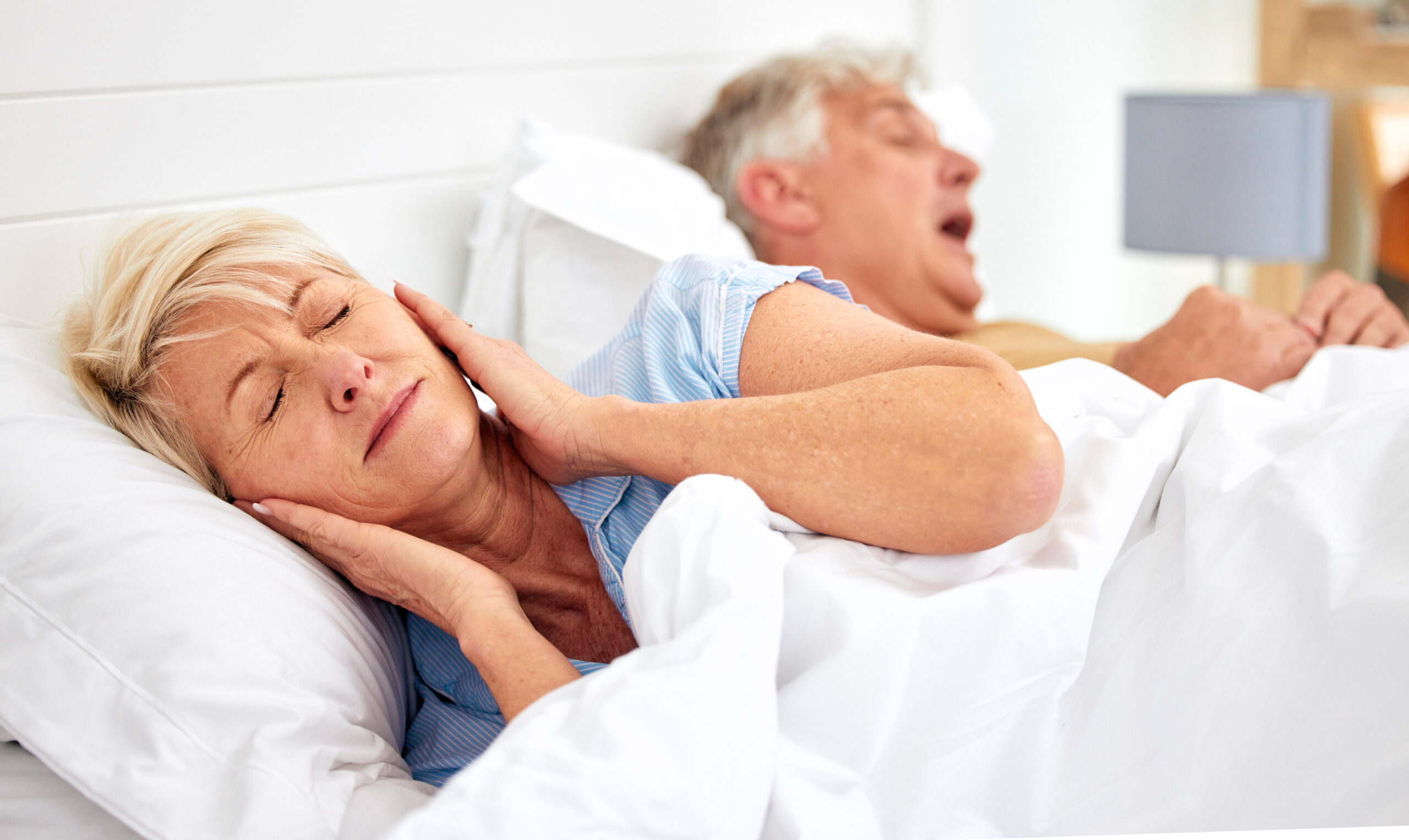
You sleep eight hours, but you wake up dragging. Your partner moved to the guest room because of your snoring. Your blood pressure crept up at your last visit, and you feel dry-mouthed every morning. The snoring feels like the smallest of your problems.
Chronic snoring is more than a noise issue. Excessive snoring most nights signals that your airway is narrowing during sleep. It’s a sign that something is causing snoring at the source, and that your body is bracing through the night to keep oxygen moving.
According to a 2025 systematic review in the journal Medicina, severe obstructive sleep apnea was linked to nearly 2.5 times the cardiovascular risk of people without it.
In this post, you’ll learn:
- Why chronic snoring affects the heart and metabolism, not just sleep
- The 9 signs your snoring may be doing more damage than you think
- How to spot red flags worth bringing to your doctor
- What a proper snoring evaluation should include
Quick Basics: Why Snoring Impacts the Heart and Metabolism
Snoring happens when air struggles to move through a narrow airway at night. Relaxed tissues in the soft palate and back of the mouth and throat vibrate as you breathe. Those same tissues partially block airflow when they sag too far.
What Causes Snoring at the Source
Common factors that cause snoring include a long or low-hanging soft palate, weak throat muscles, nasal congestion, a backward-shifted lower jaw, and sleep position. Each one narrows or partially blocks the airway, and several often stack together.
Why Chronic Snoring Affects the Heart and Metabolism
According to a 2025 Frontiers in Endocrinology study, the prevalence of metabolic syndrome among patients with sleep-disordered breathing ranges from 55.8% to 79%.
This figure is far higher than in the general population. Sleep apnea and elevated blood pressure climb together, raising the risk for cardiovascular issues.
A Simple Self-Check: When to Take Snoring Seriously
Not every snorer needs a sleep study, but a few noticeable sleep patterns suggest it is time to stop self-managing and get evaluated. The more of these that apply, the stronger the case for a professional workup for chronic snoring or sleep apnea.
Signs Worth Taking to Your Doctor
- Snoring most nights, especially when it disrupts your bed partner’s sleep
- A partner has noticed pauses in breathing, gasping, or choking sounds at night
- Morning headaches, dry mouth, sore throat, or chronic nasal congestion on waking
- Daytime sleepiness, irritability, or trouble concentrating
- High blood pressure, weight gain, or rising blood sugar with no clear cause
If two or more sound familiar, the nine signs below will help you connect what is happening overnight to what is showing up during the day.
Sign 1: Your Blood Pressure Is Creeping Up (or Harder to Control)
Nighttime breathing strain repeatedly activates the stress response, even if you never fully wake up. That repeated bracing leaves the cardiovascular system working overtime when it should be resting.
How Snoring and Blood Pressure Travel Together
Each time the airway partially collapses, oxygen levels dip, and the body releases stress hormones to reopen it. Soft tissues sag, the body may briefly stop breathing, and those nightly surges keep blood pressure elevated long after morning.
Many people see numbers creep up during routine visits, with no obvious explanation, as sleep apnea quietly drives the pattern.
What to Track and Ask About Sleep
Watch for blood pressure that stays high despite lifestyle changes, and pair those readings with how often you snore and how rested you feel. Ask your doctor whether sleep disordered breathing or another sleep disorder could be contributing before adding another medication.
Sign 2: You Wake Up with a Racing Heart, Palpitations, or Anxiety-Like Symptoms
Sudden awakenings with a pounding chest are often tied to drops in airflow during sleep. When breathing pauses or oxygen levels dip, stress hormones surge, and the heart races long after you settle back down.
How Snoring Triggers Heart Symptoms
The same partial airway obstruction that causes snoring may also briefly stop breathing. Each pause forces the body to brace, raising heart rate and blood pressure even while you sleep. This is a serious health concern when it recurs night after night.
When Heart Symptoms and Snoring Travel Together
Frequent palpitations, chronic snoring, and daytime fatigue together raise concern for sleep apnea and, over time, the risk for a heart attack. Untreated sleep apnea is a known contributor to heart attack risk, so mention the heart symptoms and snoring frequency at your next visit.
Sign 3: You Feel Tired Even After a Full Night in Bed
Time in bed is not the same as restorative sleep. Micro awakenings pull you out of deep sleep and REM sleep dozens of times an hour, even when you have no memory of waking up. The body never gets the uninterrupted recovery it needs.
How Fragmented Sleep Quality Shows Up During the Day
Restless sleep rarely looks like fatigue at first. It shows up as low motivation, brain fog, irritability, or sleepiness that hits hardest while driving. Some people chalk it up to age or a busy schedule, missing the underlying sleep issue.
What to Track Between Visits
Pay attention to your energy throughout the day, how often you reach for a nap, and whether you wake up exhausted even after a full night’s sleep. Pair those notes with how often you snore and what your bed partner has noticed at night.
Sign 4: Morning Headaches or Jaw and Facial Tension
Mouth breathing through a partly blocked nose quietly loads up the head, neck, and jaw muscles overnight. Some people brace or clench their jaw as the airway narrows, which is one reason morning headaches and TMJ symptoms often travel together.
Why the Jaw Gets Pulled into Snoring
When breathing patterns are strained at night, the body recruits muscles in the face and neck to keep the airway open. That extra workload shows up as tight jaw and throat muscles, sore temples, and a stiff neck on waking.
Untreated jaw clenching may also worsen snoring by changing the position of the lower jaw and tongue during sleep.
Symptoms to Track Between Visits
Track jaw soreness, dry mouth, and headache timing on waking, and note whether tension follows nights of snoring. If you grind your teeth, ask your dentist whether a mouth guard might help while a snoring evaluation is underway.
Sign 5: Weight Gain Around the Midsection, or Cravings That Feel Out of Control
Poor sleep shifts the hormones that drive hunger and fullness, which is why fatigue so often comes paired with cravings for sugar, salt, and easy carbs. Add in low energy, which makes workouts and home-cooked meals harder to maintain, and the cycle compounds quickly.
How Snoring Feeds the Metabolism Connection
Chronic snoring and the disrupted sleep that comes with it contribute to insulin resistance over time. This is especially true when several factors line up at once: belly fat creeps up, sleep is interrupted, and the risk of sleep apnea climbs.
The body holds on to weight more easily and burns energy less efficiently, even when your diet has not changed.
Why Losing Weight Gets Harder with Excessive Snoring
Connect the dots between diet struggles and how you sleep, not just what you eat. Losing weight is harder when excessive snoring disrupts your sleep. Lifestyle changes tend to stick better once sleep improves.
Sign 6: Blood Sugar or Cholesterol Numbers Are Trending the Wrong Way
Sleep disruption affects glucose control, inflammatory markers, and fat metabolism. Some people see lab numbers shift in the wrong direction even when their diet and exercise have stayed the same. That drift is often an additional symptom of an underlying sleep-related health condition.
Lab Markers Worth Watching for Snoring-Related Risk
Bring up your snoring habits with your healthcare provider if any of these are trending up year over year:
- A1C or fasting glucose
- Triglycerides
- LDL cholesterol
- Inflammatory markers like high-sensitivity CRP
How to Frame the Conversation with Your Doctor
Tell your doctor you snore most nights and are not waking up rested, not just that you are run down. Ask whether a sleep study makes sense given your lab trends and whether sleep apnea or another sleep disorder could be quietly driving them.
Sign 7: Your Partner Notices Breathing Pauses, Choking, or Gasping
Witnessed pauses in breathing are the single biggest red flag among snoring symptoms. Volume alone may be misleading, but a partner who watches the airway collapse and the chest fight to reopen it is reporting something entirely different.
What These Pauses Actually Mean
Gasping and choking sounds happen when soft tissues fully block airflow until the body forces a breath through. That pattern is strongly tied to obstructive sleep apnea and ignoring it raises the risk for cardiovascular issues.
This is especially true when paired with high blood pressure or daytime sleepiness.
Common Snoring Patterns vs. Red Flags
|
Snoring Pattern |
What It May Signal |
Next Step |
|
Steady, even snoring sound |
Often positional or mild |
Try a side sleep position and monitor |
|
Loud snoring that increases over time |
Possible airway obstruction |
Schedule a sleep evaluation |
|
Snoring with paused breathing |
Likely obstructive sleep apnea |
Pursue sleep apnea treatment |
|
Choking, gasping, or sudden silence |
Airway partially blocked and reopened |
Seek prompt medical evaluation |
Ask your partner to note the time and frequency, or to record a short audio clip. Bring those notes to your next visit so the pattern is documented.
Sign 8: You Are More Forgetful, Scattered, or Your Mood Is Changing
Fragmented sleep affects attention, working memory, and emotional regulation. Brain fog shows up as misplacing items, struggling to focus on tasks that used to feel routine, or feeling short-tempered. Everyone has off days, but a steady drift in memory and mood is worth a closer look.
Long-term poor sleep is being studied for links to overall health and cognitive decline. Chronic snoring with untreated sleep apnea has been associated in research with early signs of dementia. That does not mean every snorer is at risk, but unexplained changes in your thinking deserve attention.
Sign 9: You Rely on Snoring Remedies Constantly, but Symptoms Keep Returning
Nasal strips, mouth tape, position pillows, and over-the-counter snoring remedies help some people some of the time. When the same patterns keep coming back despite a rotating cabinet of fixes, the cause is usually deeper than the products are designed to address.
Why Snoring Remedies Plateau
Most snoring remedies target a single aspect of the airway, such as the nasal passages or sleep position, without evaluating what is actually driving the sound. Products that temporarily reduce snoring may not address the underlying cause.
This is especially true when the soft palate, throat muscles, or lower jaw are involved, or when obstructive sleep apnea is present.
When to Move Past Remedies and Toward Snoring Treatment
If you have cycled through several products that promise to stop snoring or prevent snoring and still wake up tired, it is worth pursuing a real diagnosis. Professional snoring treatment may include an oral appliance, a CPAP machine, or other options.
Solutions are based on what is actually happening in your airway, and any of those tend to outperform trial and error.
A Proper Snoring and Sleep Evaluation Is Next
A thorough snoring evaluation looks at the whole picture, not just the noise overnight. The right workup connects what happens while you sleep to what shows up during the day. The plan addresses the cause, not just the symptom.
What a Proper Snoring and Sleep Evaluation Should Include
A solid snoring and sleep workup covers:
- A full review of symptoms, medical history, medications, and lifestyle changes
- An airway, nose, and mouth exam, plus a discussion of sleep habits
- Screening for sleep apnea risk and a referral for a sleep study when symptoms warrant it
- Treatment options range from oral appliances to a CPAP machine, depending on the diagnosis
- Follow-up to confirm symptoms and sleep are actually improving
Where Dental Sleep Medicine Fits
The right team treats the airway, jaw, and sleep connections as a whole rather than treating them in pieces. Dental sleep medicine sits at the intersection of those issues and is often the missing piece for patients who have cycled through sleep apnea treatment without lasting results.
Get a Real Answer About Your Snoring
Living with chronic snoring, broken sleep, and slow-creeping health concerns wears on you, especially when every visit ends with a shrug and another product to try.
Our experienced team at TMJ & Sleep Therapy Centre of Wisconsin pulls the airway, nose, mouth, and sleep apnea picture together in one place. We look at how you breathe overnight and how it is showing up during the day. We then build treatment options around what is actually driving the pattern.
If snoring, daytime sleepiness, or rising health numbers have you wondering whether sleep apnea is part of the story, we want to hear from you. Schedule a consultation today, and we will help you find the right snoring treatment for what is actually happening in your airway.